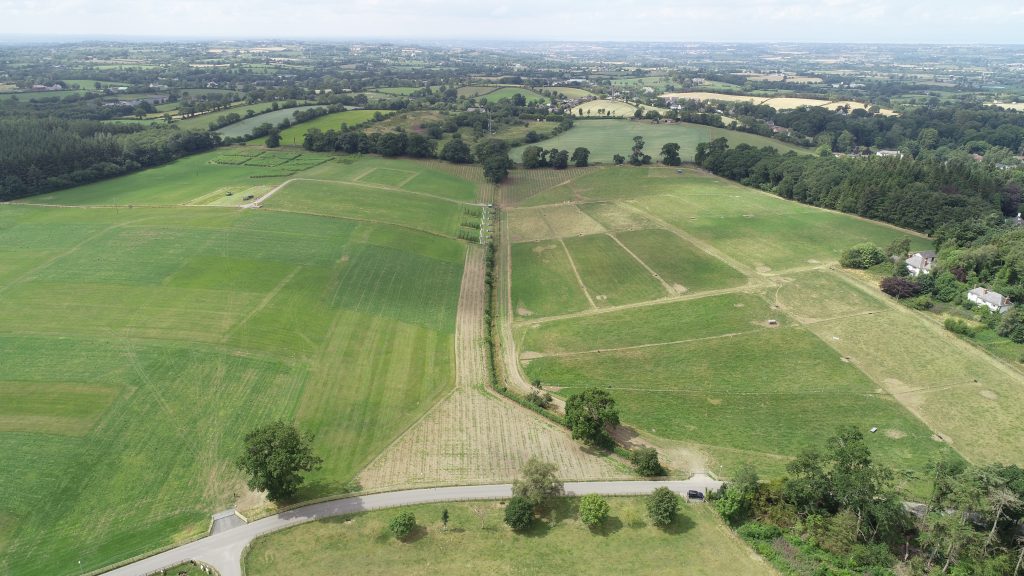
Agricultural tile drains and surface channels

AFBI

1.5.1. Phosphorus Removal System

This passive filtration system was developed in the United States and is an outcome of a decade (1999 – 2009) of research by Drizo and co-workers on the use of steel slag aggregates (SSA) for P removal from wastewaters. The system is accepted in five states in the USA as the first and only conservation practice especially developed to reduce the amount of P from subsurface drain (tile) flows and other subsurface and surface P containing runoff outflows. Sources of agricultural outflows may include agricultural tile drains, ditches and animal heavy use areas such as milk-house wastewater, feed bunks, and silage leachate runoff.

Constructed wetlands

1.4.1. Controlled Drainage

Major advantages of the controlled drainage system to compare conventional drainage system is a chance to adjust groundwater level to occasionally higher than by normal drainage thereby soil moisture increases especially during dry season and the drainage run is reduced. Enhanced plant water and nutrient intake, thus increasing yield. By controlled drainage farmer can affect fields water economy through out the year and diminish nutrient impact into watercourses.

Scroll to Top

Stay IN TOUCH. Keep up to date with our efforts & progress

Whether an interested party or observer we would love to keep you up to date. Straight to your mailbox.

Privacy Policy. This information will never be shared.