
The results
The following is a collection of Infocards from all testing sites.
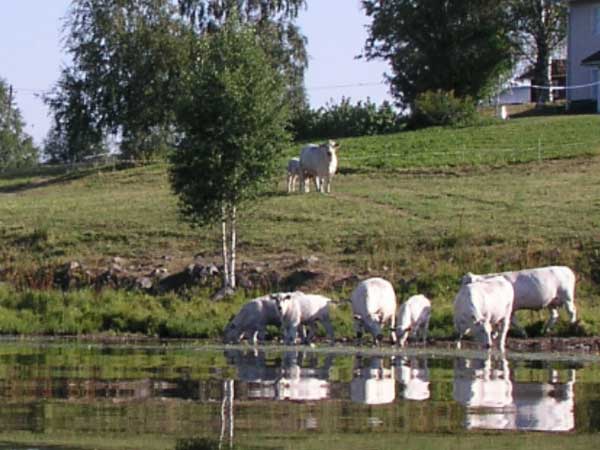
Buffer Zones
The purpose of the buffer zones is to reduce erosion and nutrient flow into water from erosion-sensitive and slanted or repeatedly under-flooded fields. The buffer zone is at least 15 m wide field area, which restricts to main drain or water and is covered by a perennial vegetation on which fertilizers and plant protection products are not spread.

Constructed Wetlands
Constructed wetlands can help to capture nutrients from agriculture run-off before they enter water bodies. The efficiency of a wetland for nutrient retention (sedimentation, uptake by plants and denitrification) is mainly affected by the nutrient load and the residence time for the water entering the wetland.
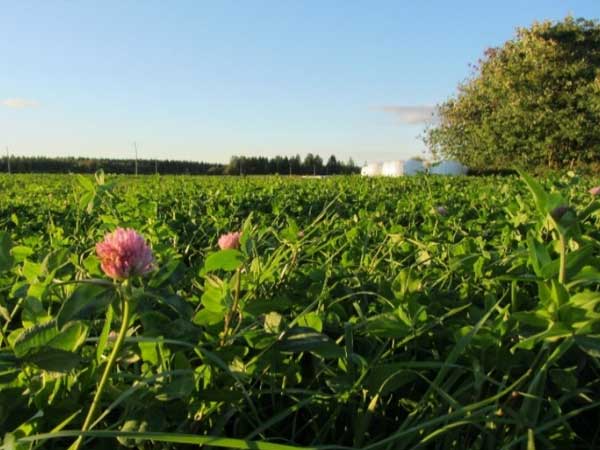
Crop rotation with legumes
Optimized crop rotation is an element for efficient nutrient cycles and maintains good soil fertility to ensure high yields. Nitrogen-fixing plants will decrease the need for fertilizers and enhance economic and environmental sustainability of whole farm. Catch crops prevent soil erosion and reduce runoffs and also add organic matter content of soil. Increased biodiversity will give plants a better resistance and reduces demand for pesticides.
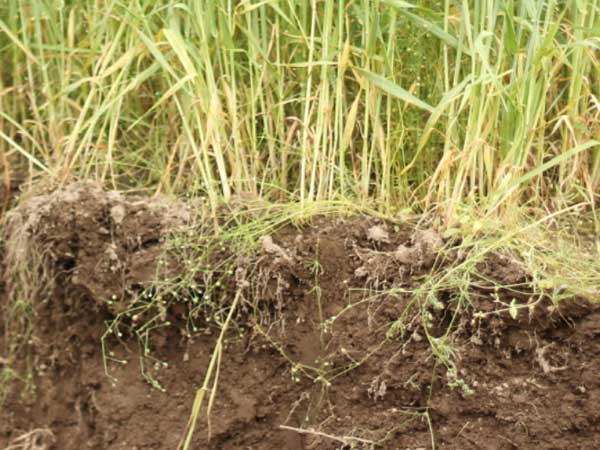
Gypsum
Gypsum application on the clay fields decrease soil erosion and both particle phosphorus (PP) and dissolved phosphorus (DP) runoff into the waters. P stays available for the plants. Gypsum is a good practice for the water conservation but it can only be used on the fields where receiving water system is not a lake.
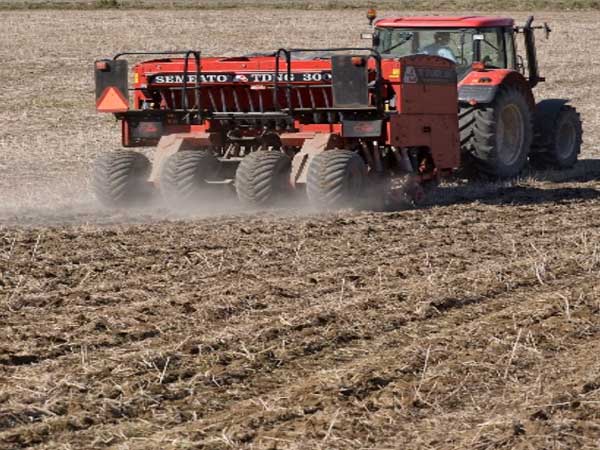
No-till farming: direct drilling
In no-till farming seeding is done without tilling of the soil with direct seeding machine and it decreases soil erosion and nutrient runoff (N and PP). It is cost-effective method because yield loss is compensated by savings in fuel and work costs. The benefits of the methods will be shown in a time when soil structure improves naturally.

Precision nutrient application
The basics for precision nutrient application is to determine farm’s nutrient balances (at the farm gate, field and stable level). The balances are usually calculated for nitrogen (N), phosphorus (P) and potassium (K). The ideal situation is that the value of the field balance is close to zero, which means that the nutrient uptake of plants and the supply by fertilization are in ideal balance.
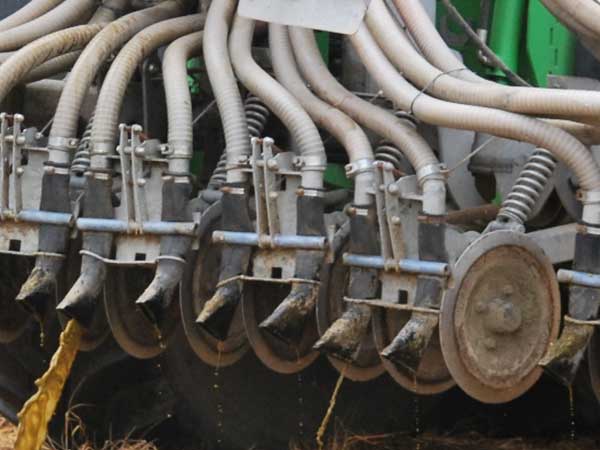
Slurry injection
Slurry injection has agricultural and environmental benefits, compared to surface spreading which is a significant source of nutrients runoff especially in rainy conditions. If slurry is injected into the soil these runoffs can be minimized. At the same time the nitrogen loss through ammonia evaporation can be effectively prevented.
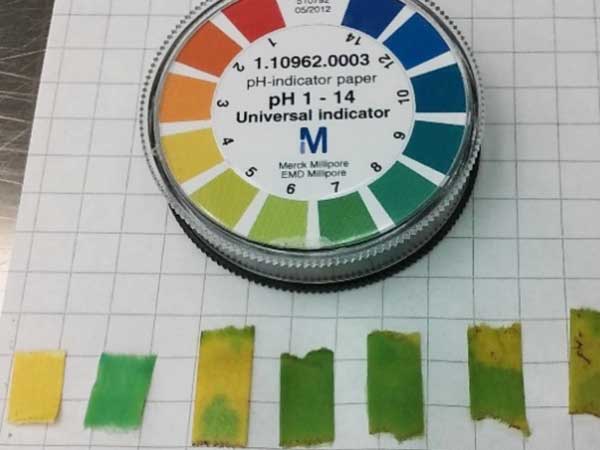
Soil pH level
In neutral pH range 6-6,5 most of the nutrients are available for the plants and microfauna thrives. Liming with CaCO3 increases soil pH and improves cation balance and structure of the soil.

Overseeding
Grass overseeding increases DM yield and quality of the harvest and elongates grass cycle. The seed mixtures of hays, clovers and legume improves certainty of the growth. Overseeding with harrowing or direct drilling enables the seed to get gound-touch and improves seeding result.